Shikoku Temple 74 Koyamaji
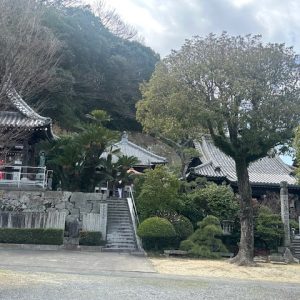
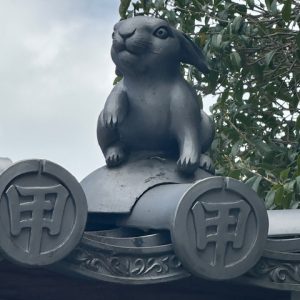
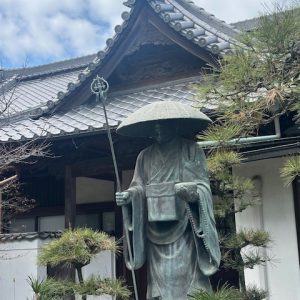
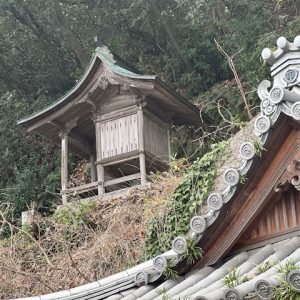
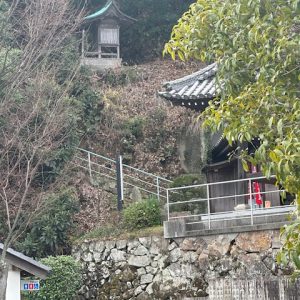
For a gaijin like me, it is difficult to appreciate the differences and subtleties of the different Buddhist temples in Shikoku.
The area around Koyamaji is the hometown of Kobo Daishi, and it is said to have played a role in his childhood. Kobo Daishi, who was in the early peaceful days and in the prime of life, was looking for a sacred place to build between Zentsuji and Mandaraji.
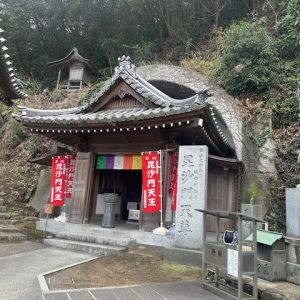
At one point, when he walked near Mt. Ko, an old man appeared from a rocky cave, “I am a saint who has lived here for a long time, provided happiness and benefits to people, and spread the teachings of the Buddha. I will protect you forever. “Kobo Daishi was delighted and engraved the Bishamonten celestial statue, placed in the cave, and enshrined it.
After that, Kobo Daishi was appointed as a director to oversee the construction of the largest reservoir in Japan, Mannoike, in response to the edict of Emperor Saga. It was a difficult construction that even the specialists dispatched by the Imperial Court could not accomplish.