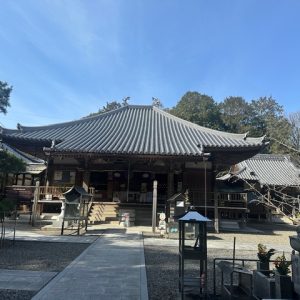
Shikoku Temple 67, Daikoji
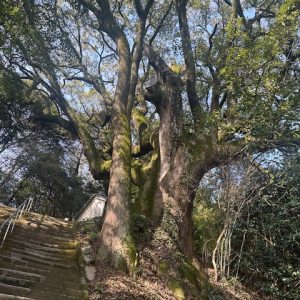
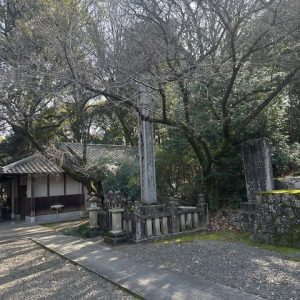
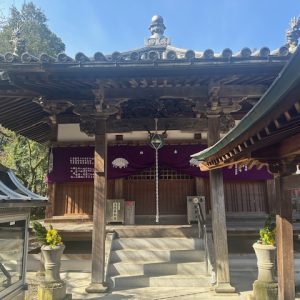
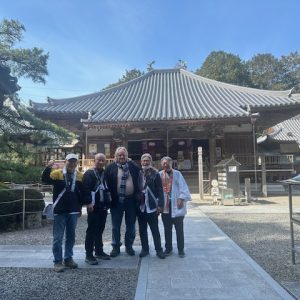
As often occurs on the pilgrimage, I made friends with some other “ojisan” pilgrims. In Japan, everyone speaks at least a few words of English. And against the odds, I have been up a few words of Japanese
Daikōji was commonly called Komatsuoji, after the temple’s mountain name, Komatsuozan (temples are metaphorically called mountains). The nearby community is called Komatsuo.
According to legend, Daikōji was built in 742 as a branch temple of Todaiji. It originally stood about one kilometer northwest of the present site, and enshrined the three gods of Kumano Sansho Gongen. In 792 Kobo Daishi visited the temple. In 822 the temple was rebuilt by order of Emperor Saga.
Although today’s Daikōji is a Shingon sect temple, it has the unusual history that it had temples of two sects, Shingon and Tendai, within the same grounds; there were 24 Shingon priests’ cells and 12 Tendai priests’ cells.