Ōkubo-ji, the 88th temple
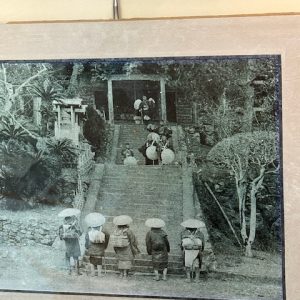
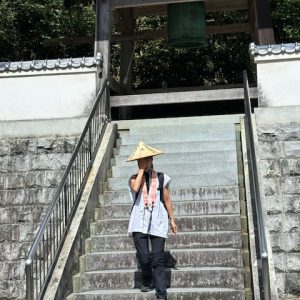
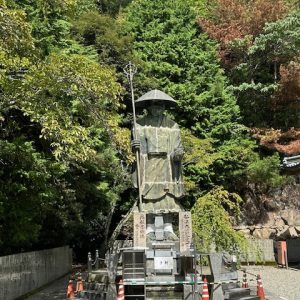
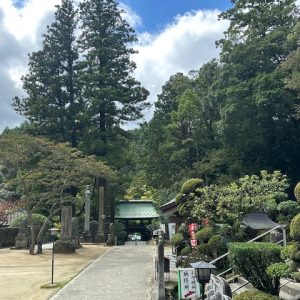
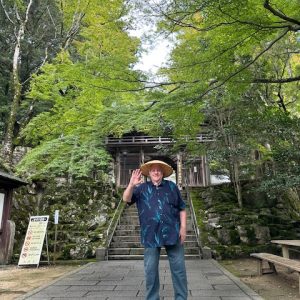
Ōkubo-ji (大窪寺) is a Shingon temple in Sanuki, Kagawa Prefecture, Japan. It is Temple 88 on the Shikoku 88 temple pilgrimage.
I visited this temple by car and thus under false pretenses. Real pilgrims often arrive after having walked 1,200 to 1,400 kilometers over 30 to 60 days.
Of course, some pilgrims walk a section of the pilgrimage each year. But even then, they would arrive at Ōkubo-ji with sweat on their brow.
But it was inspirational and aspirational to visit the temple that I will aim for.
The temple’s grounds feature a repository for walking sticks dedicated by pilgrims, symbolizing the completion of their spiritual journey. These sticks are ritually disposed of by burning them every spring and summer.
Additionally, the temple offers a unique experience through a miniature pilgrimage under the Daishi Hall, where visitors can step on bags of sand representing the 88 temples, receiving the same blessings as if they visited each one.
The temple’s location, history, and role in the Shikoku Pilgrimage underscore its cultural and spiritual significance, offering insights into Japanese Buddhism and providing a serene environment for reflection and exploration.
The temple is said to have been founded in 717 by Gyoki Bodhisattva, who built a hermitage and practiced asceticism in the area. The inner sanctuary, Taizoubuji Temple, is located on the way to the Daishi Hall from the main hall, up the mountain path from the stairs on the right.
Europeans who compare the Spanish “Camino” with the Shikoku pilgrimage should exercise some modesty. The Camino may be better organised for walkers, but it has also become a tourist trap.
Moreover the Ohenro-san pilgrimage (Shikoku Henro) at over 1,200 years old is likely older than the Camino, Ohenro-san was established by the monk Kūkai (Kobo Daishi) over a millennium ago, making it a deep-rooted spiritual journey through Japan’s Shikoku Island.
The Camino de Santiago is over 1,000 years old, originating in the 9th century after the discovery of the tomb of Saint James the Apostle in Galicia, Spain, which sparked a major Christian pilgrimage route that peaked in the Middle Ages and has seen a massive revival since the late 20th century.
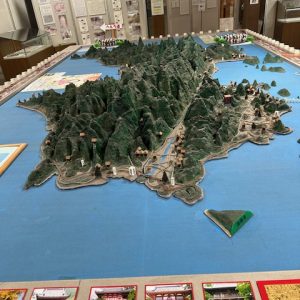
Before visiting the 88th temple, we visited the nearby “Ohenro San Museum”. I have included a photo of a model which highlights the topography of Shikoku. In short, the Ohenro-san pilgrimage is not one for the faint of heart!