Binondo, Manila

When I first visited Manila with June, many years ago, I asked if she had ever visited Chinatown. She had to confess, “NO”. This is a pity because Binondo is the world’s oldest Chinatown.
We have since been back numerous times. And it is certainly worth a visit.
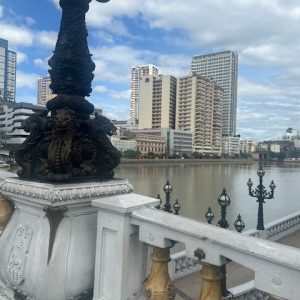
The easiest way to get to Binondo is by taxi. But don’t take a taxi right into Binondo, because the traffic is horrendous, even by Manila standards. Get dropped off on the other side of Jones Memorial Bridge which spans the Pasig River and connects Binondo with Ermita.
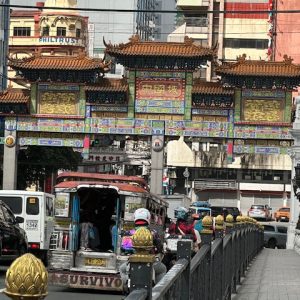
The stroll into Binondo has its charms including the Binondo Chinatown Arch (see photo). In back alleys, you will see markets and shops (see photo).
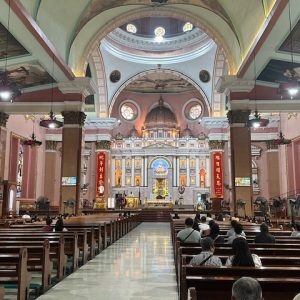
Then make your way to the gigantic Binondo Church, aka Minor Basilica and National Shrine of Saint Lorenzo Ruiz, or Our Lady of the Most Holy Rosary Parish. As I will mention later on, Binondo was actually established for Chinese Catholics.
Another place worth a visit is the Chinatown museum which tells the whole history of Binondo.
As the Philippines is becoming a popular tourist destination, a number of walking tours are now offered. They let you explore the historic alleys, temples, and markets. They can also focus on the unique Chinese-Filipino food, from savoury dim sum to sweet treats like Hopia. A local guide will share stories and hidden gems. Tours vary from short food crawls to longer cultural explorations.
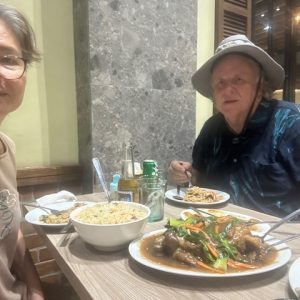
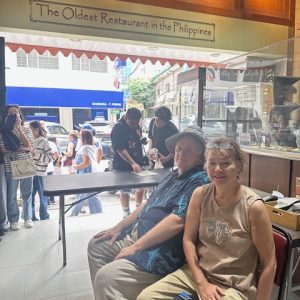
On our recent visit to Binondo, we lunched at Toho, the oldest restaurant in the Philippines. The best dish was steamed Lapu-Lapu, the Grouper fish named after the Filipino who assassinated Ferdinand Magellan.
How did Manila find itself with the oldest Chinatown in the world? It was established in 1594 by the Spaniards as a settlement for Catholic Chinese near Intramuros (the old city) but across the Pasig River. It was positioned so that the colonial administration could keep a close eye on their migrant subjects. In fact, it was already a hub of Chinese commerce even before the Spanish colonial period.